

| Location: | Brunswick ME |
| Architect: | Lavallee Brensinger Architects |
| Size: | 9 buildings, 105,000 sf |
| Scope of Services: |
Study + Electrification |
| Services: |
Mechanical Electrical Plumbing Fire Protection |
| Sustainable Features: |
Carbon-free HVAC 40 Geothermal Bores Energy Recovery |
CES is helping Bowdoin College decarbonize nine historic student housing buildings through a phased campus electrification and network geothermal strategy.
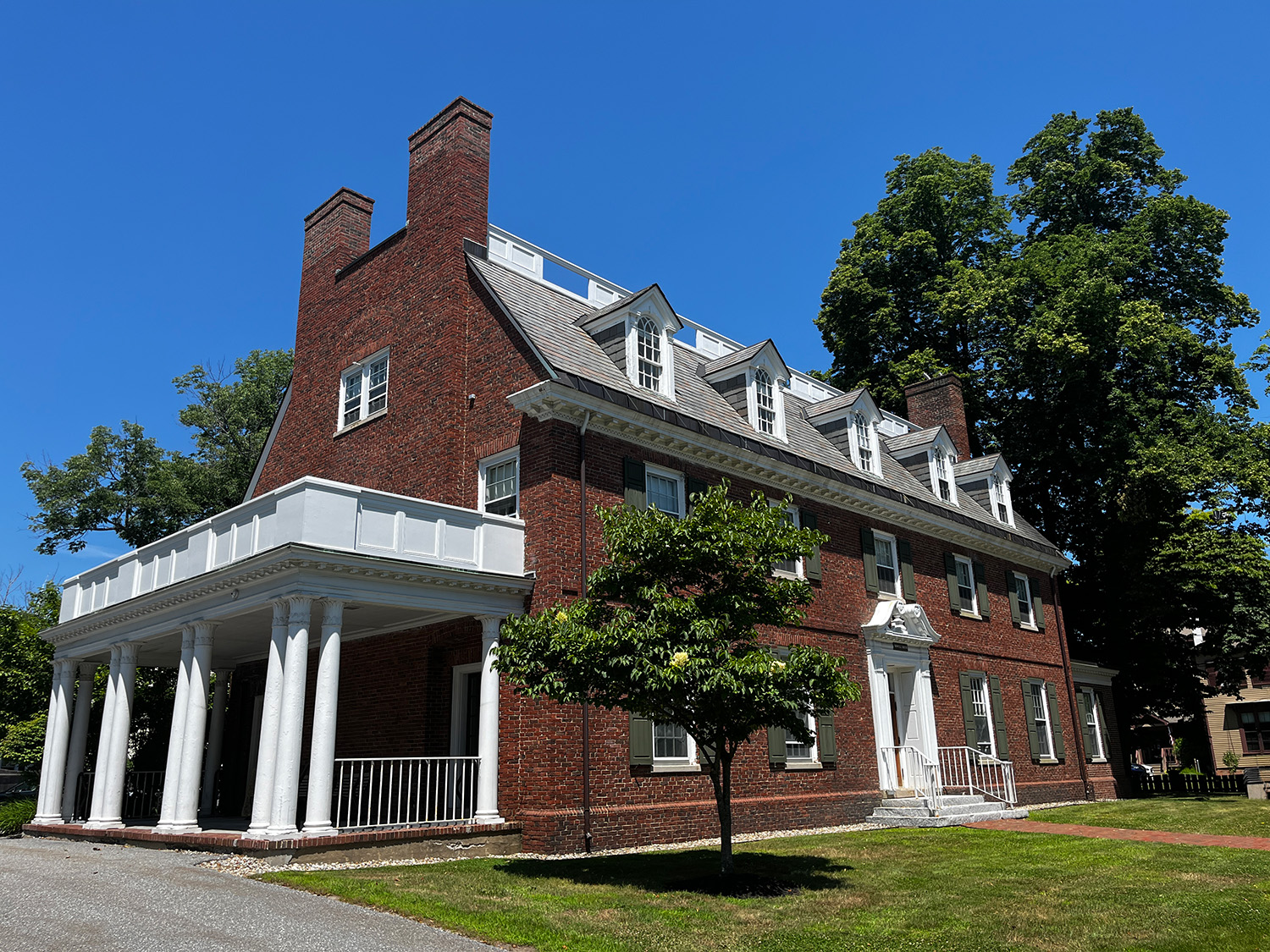
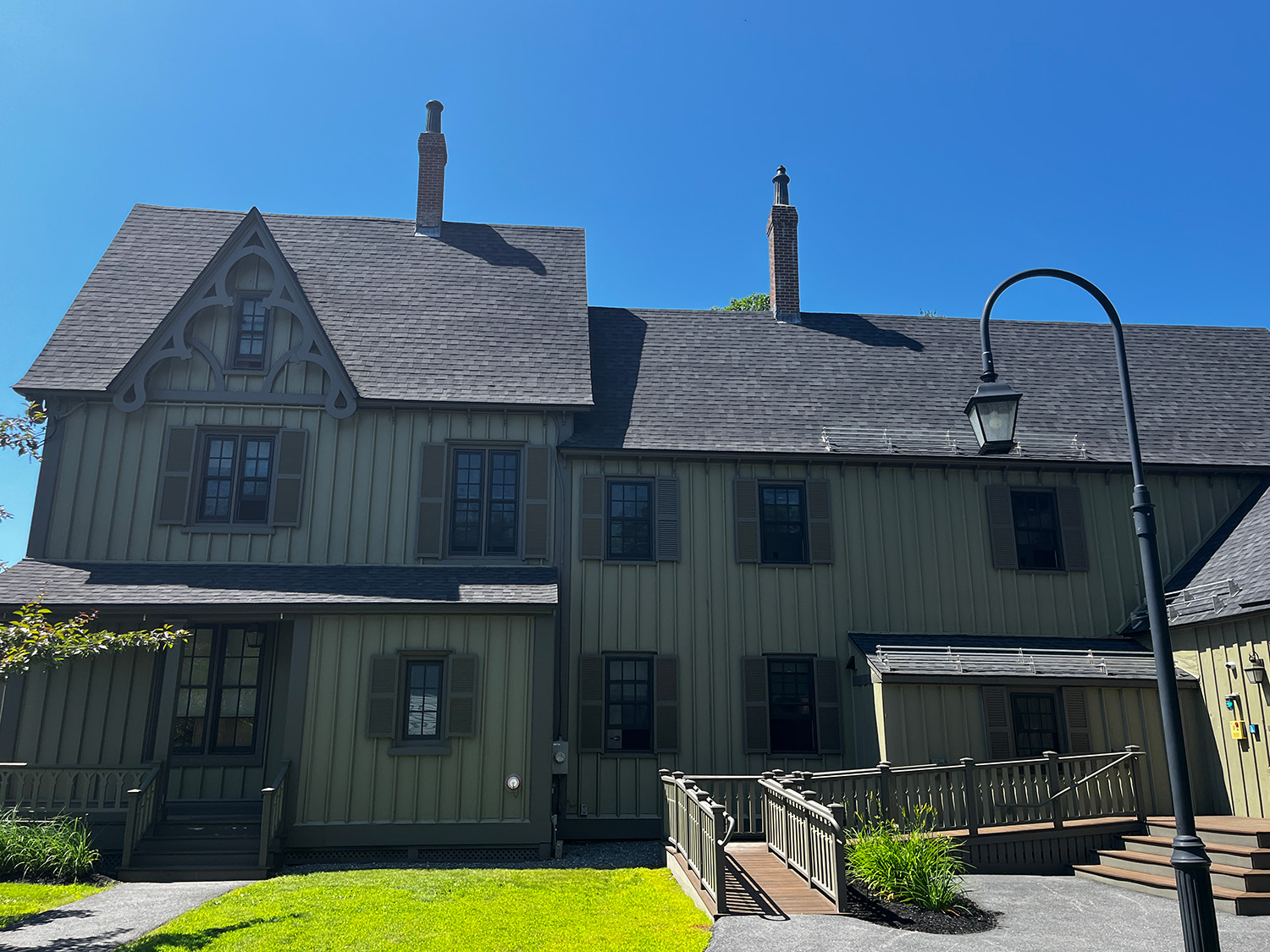
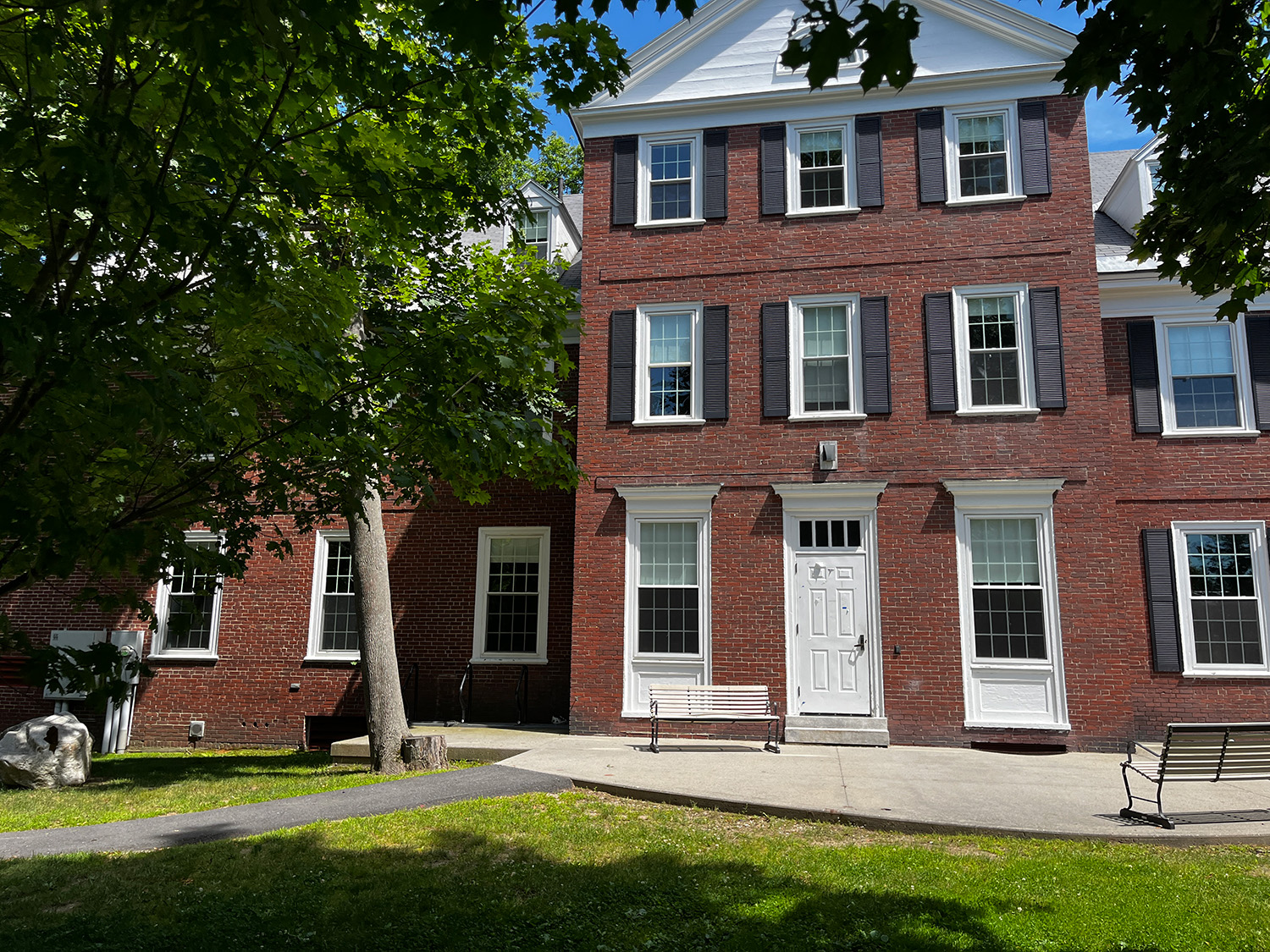
The Maine Street buildings on Bowdoin College’s campus, formerly fraternity houses, have been repurposed as student housing across nine buildings. CES completed a campus-wide decarbonization and geothermal feasibility study in 2024 to evaluate the potential for transitioning these buildings away from fossil fuel-based heating systems.
The study assessed a phased network geothermal strategy centered on a centralized bore field serving all nine buildings. Analysis included evaluation of building envelope improvements, ventilation requirements, and infrastructure needed to support low-temperature geothermal systems in place of existing high-temperature natural gas and oil-fired boiler plants. The concept included 30,600 linear feet of geothermal wells consisting of 40 bores at 750 feet deep, along with new energy recovery ventilation and other building system upgrades.
Following completion of the campus-wide decarbonization and geothermal feasibility study, CES is now providing engineering design services for electrification of the Reed Building, the first phase in implementing the broader geothermal and decarbonization strategy.
